Kallady Bridge: Why Is This Landmark Important to Batticaloa?
Batticaloa is known for its peaceful lagoon, fishing communities and historic landmarks. Among these attractions, one bridge holds a particularly important place in the city’s history.
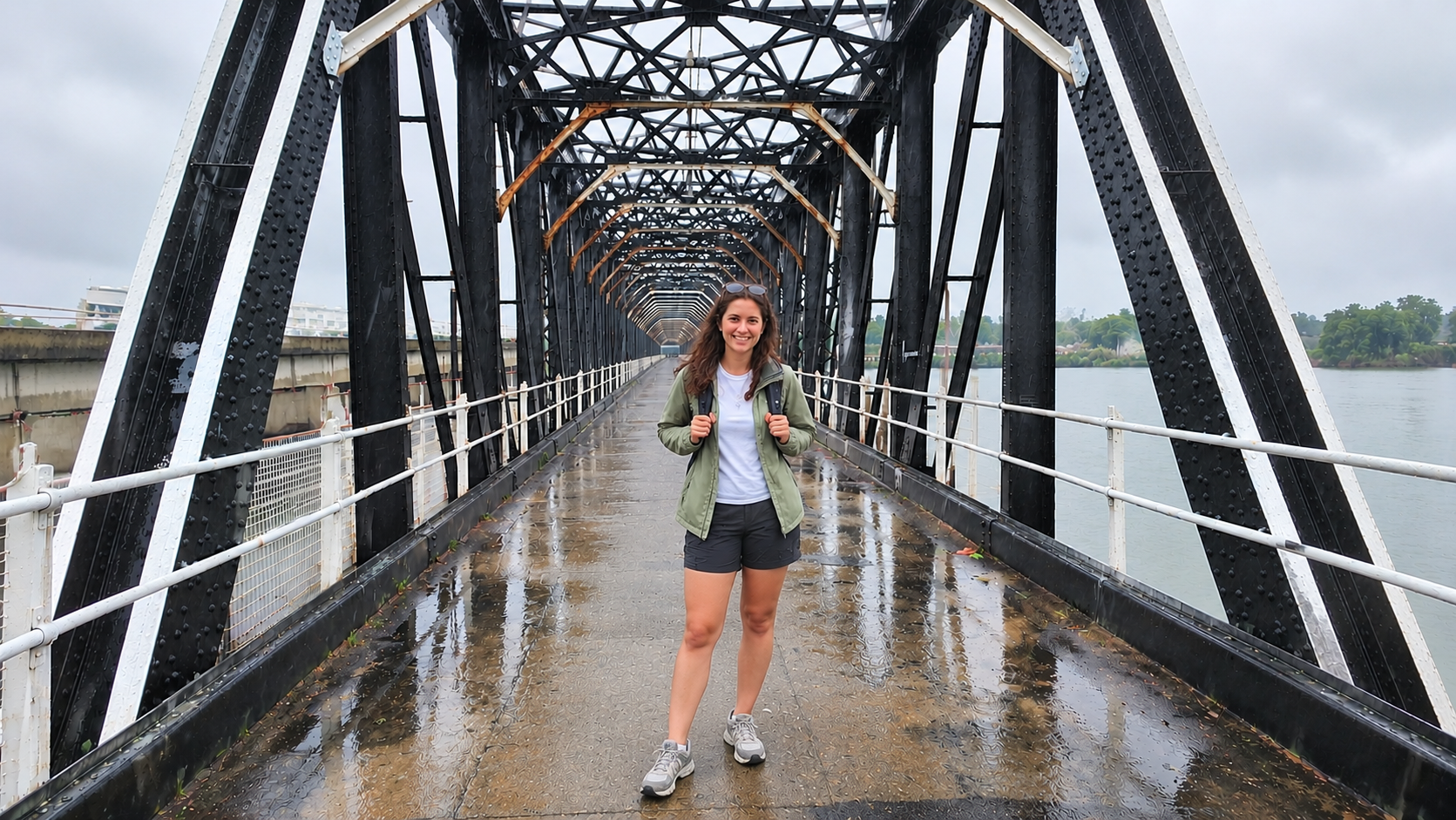
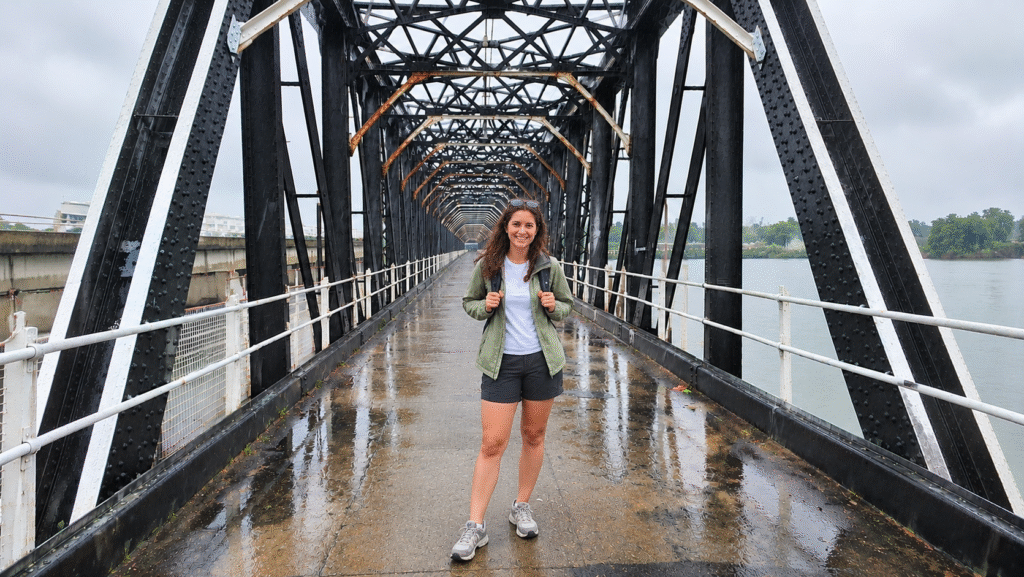
Kallady Bridge, also known as Lady Manning Bridge, is a historic iron bridge crossing Batticaloa Lagoon in Sri Lanka’s Eastern Province.
Where Is Kallady Bridge Located?
Kallady Bridge is situated in Batticaloa, connecting the city with the Kallady area across Batticaloa Lagoon.
The crossing forms part of the A4 road corridor, an important route linking Batticaloa with other parts of eastern Sri Lanka.
Today, visitors can see the original iron bridge alongside a newer road bridge.
What Is the History of Kallady Bridge?
The original Kallady Bridge was built in 1924, when Sri Lanka was known as British Ceylon.
It was officially named Lady Manning Bridge in honour of the wife of Sir William Manning, who served as Governor of Ceylon.
At the time of its construction, it was recognised as Sri Lanka’s longest iron bridge.
Its distinctive steel truss structure became an important part of Batticaloa’s landscape.
A new bridge was constructed alongside it and officially opened in March 2013.
Why Was Kallady Bridge Important to Batticaloa?
Before modern transport infrastructure developed, Batticaloa’s lagoon presented a natural barrier between different communities.
Kallady Bridge provided an important connection across this waterway.
The crossing helped residents travel between neighbourhoods and supported the movement of goods, agricultural produce and other supplies.
It also improved access to markets, schools and workplaces.
What Is the Singing Fish Legend?
One of the most fascinating stories associated with Kallady Bridge is the legend of Batticaloa’s singing fish.
According to local tradition, unusual musical sounds can sometimes be heard rising from the lagoon waters.
The sounds have been described as faint humming or notes resembling plucked strings.
Historical accounts describe recordings made in 1954 by priests associated with St. Michael’s College in Batticaloa. The recordings were later broadcast on Radio Ceylon.
What Can Visitors See at Kallady Bridge?
1. The Historic Iron Structure
The original bridge is an interesting example of early twentieth-century engineering.
Its steel framework and long crossing make it visually different from the modern bridge beside it.
2. Batticaloa Lagoon
The bridge provides a scenic perspective of Batticaloa Lagoon.
Depending on the time of day, visitors may notice fishing boats, birds and reflections across the water.
3. Local Fishing Activities
Fishing remains closely connected to life around Batticaloa.
Small boats and fishing equipment may be visible along the lagoon’s shores.
4. Scenic Photography
Early mornings and late afternoons can provide pleasant lighting for photography.
The contrast between the historic iron bridge, modern road crossing and surrounding water creates an interesting landscape.
What Other Attractions Are Nearby?
Batticaloa Fort: A historic coastal fort overlooking the lagoon, associated with Portuguese and Dutch colonial history.
Batticaloa Lighthouse: A white lighthouse near Palameenmadu, close to where the lagoon meets the Indian Ocean. Read more in the Batticaloa Lighthouse guide.
Batticaloa Lagoon: A coastal ecosystem with fishing communities, birdlife and opportunities to appreciate the surrounding scenery.
Travellers exploring the wider region can discover more places in Hidden Gems Near Pasikuda.
For visitors planning a longer east-coast holiday, this guide to hotels in Pasikuda offers accommodation ideas on another Sri Lankan travel website.
Conclusion
Kallady Bridge is more than a historic crossing over Batticaloa Lagoon.
Its colonial-era construction, role in connecting local communities and association with the singing fish legend make it one of Batticaloa’s most recognisable landmarks.
For travellers exploring Sri Lanka’s eastern coast, the bridge offers an opportunity to appreciate the city’s history, natural surroundings and distinctive local traditions.