Singing Fish of Batticaloa: What’s the Story?
The Singing Fish of Batticaloa is one of Sri Lanka’s most unusual natural mysteries. For generations, people have described strange musical sounds coming from the waters of Batticaloa Lagoon, particularly near the historic Kallady Bridge.
These sounds have become part of the city’s identity, earning Batticaloa its nickname, the Land of the Singing Fish.
What Are the Singing Fish of Batticaloa?
The Singing Fish of Batticaloa refers to unusual humming, vibrating and musical sounds reported from beneath the waters of Batticaloa Lagoon.
The sounds have been compared to musical instruments, humming wires and vibrating strings.
Local accounts describe the phenomenon as particularly noticeable during quiet nights, especially around the full moon.
Where Can the Singing Fish Be Heard?
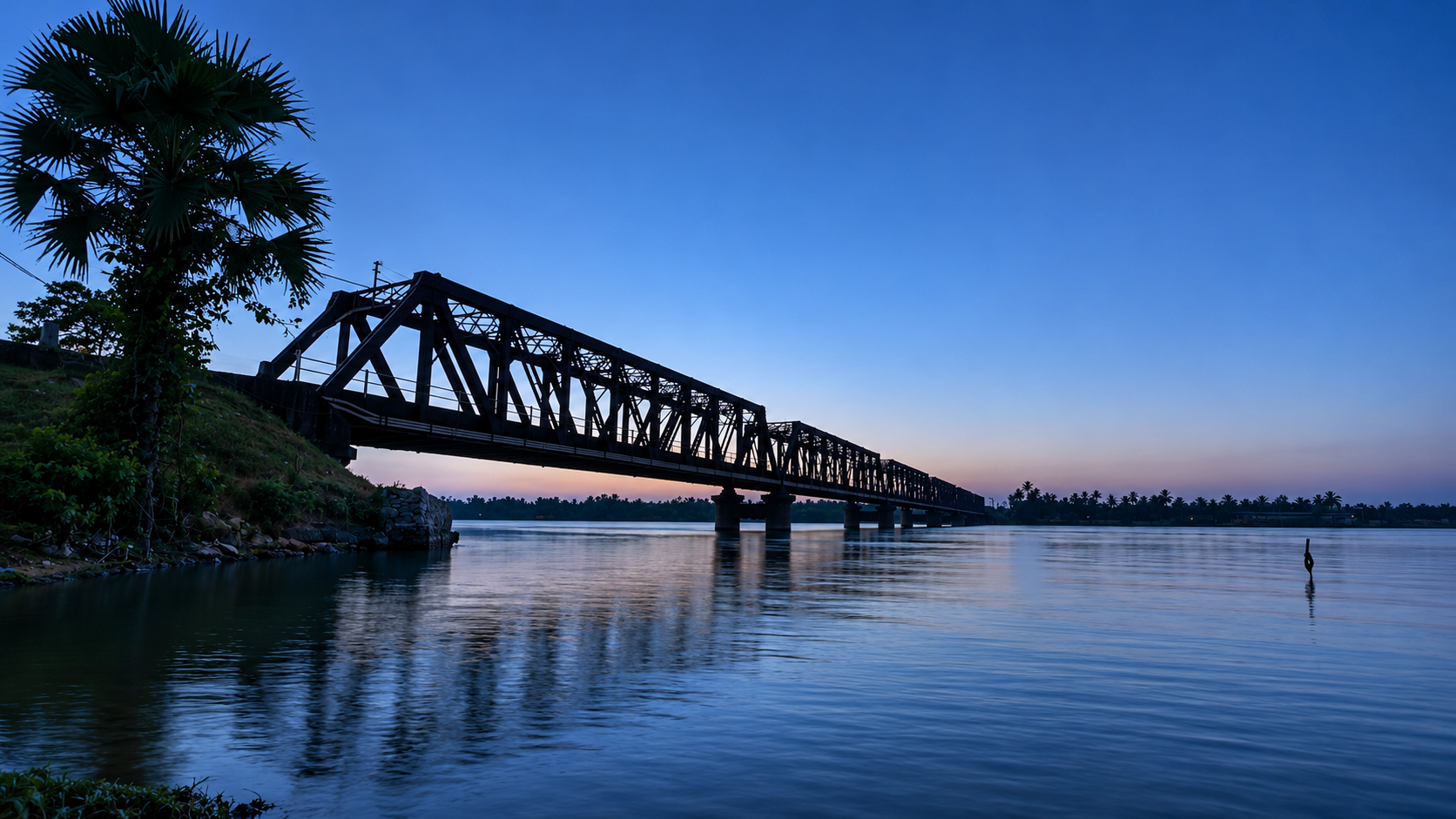
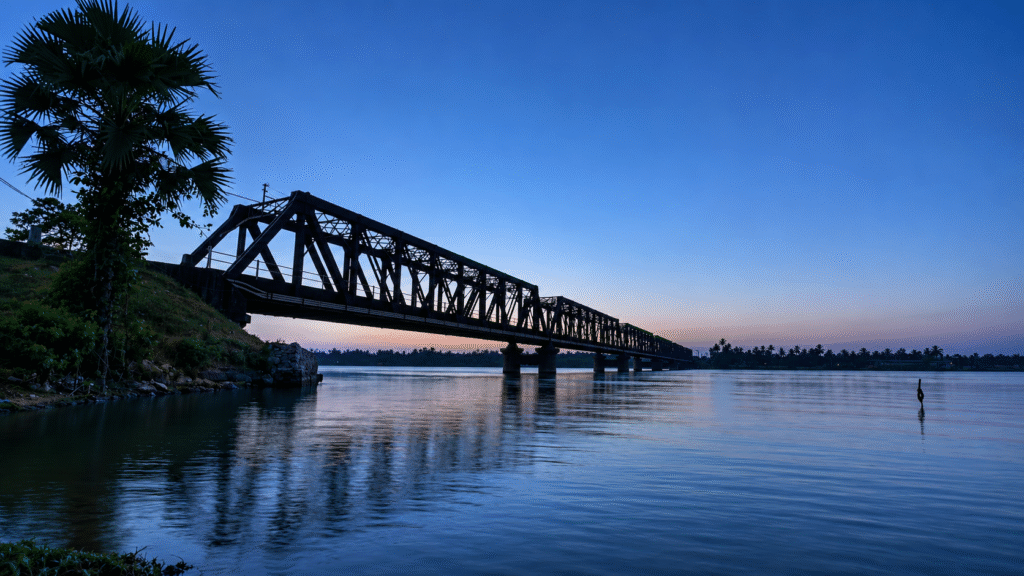
The phenomenon is most closely associated with Kallady Bridge, which crosses Batticaloa Lagoon.
The original bridge, also known as Lady Manning Bridge, was constructed during the British colonial period.
For decades, local residents and visitors have gathered around this area hoping to hear the mysterious sounds.
Historically, some listeners used boats or placed an oar into the water to help transmit the vibrations.
Were the Singing Fish Ever Recorded?
Yes. The mysterious underwater sounds were recorded during the 1950s.
Father Lange used an underwater microphone, known as a hydrophone, to capture sounds beneath Kallady Bridge.
His research was published in the Journal of the Royal Asiatic Society (Ceylon) in 1953.
Local historical accounts also describe a recording made in 1954, which was subsequently broadcast over Radio Ceylon around 1960.
What Causes the Singing Fish Sounds?
1. Sound-Producing Fish
Some fish species produce sounds using specialised muscles and their swim bladders.
These sounds may be associated with communication, territorial behaviour or reproduction.
Researchers have therefore considered fish a possible source of Batticaloa’s mysterious underwater music.
2. Molluscs and Other Aquatic Creatures
Historical explanations have also suggested that molluscs or other aquatic organisms might produce the sounds.
These theories appear in older accounts of the phenomenon, although convincing identification remains lacking.
3. Water Movement
Another theory suggests that underwater currents moving around rocks or other structures could create unusual vibrations.
However, this explanation has not been conclusively demonstrated as the cause of the recorded musical sounds.
Why Are Full Moon Nights Associated With the Legend?
Traditional accounts often describe the sounds as easier to hear on calm, moonlit nights.
Quiet surroundings and minimal wind can make faint sounds more noticeable.
However, there is no established scientific evidence that moonlight itself causes aquatic animals to produce the sounds.
Can Tourists Hear the Singing Fish Today?
Visitors can explore the Kallady Bridge area and learn about the legend, but hearing the sounds should not be considered a guaranteed attraction.
Environmental conditions, surrounding noise and the possible presence of sound-producing animals can affect the experience.
Travellers exploring nearby attractions can also read more about Sri Lanka’s eastern coastline through Pasikuda Hotels.
What Else Can Visitors Explore Near Batticaloa Lagoon?
Kallady Bridge: A historic landmark closely connected to the city’s identity.
Batticaloa Dutch Fort: A colonial-era fortification overlooking the lagoon.
Batticaloa Lighthouse: A coastal landmark near the lagoon’s northern entrance.
Pasikuda Beach: A popular beach destination north of Batticaloa, known for its sheltered bay and coastal resorts.
Visitors planning a longer beach holiday can explore Best Beach Destinations for more information about Sri Lanka’s coastal locations.
Conclusion
The Singing Fish of Batticaloa is more than a mysterious natural phenomenon. It is an important part of the city’s cultural heritage, connecting local folklore with historical observation and scientific investigation.
For visitors exploring Sri Lanka’s eastern coast, the Singing Fish of Batticaloa offers a fascinating story that makes Batticaloa Lagoon and Kallady Bridge particularly memorable.