Pasikuda Coral Reef: What Should Travellers Know?
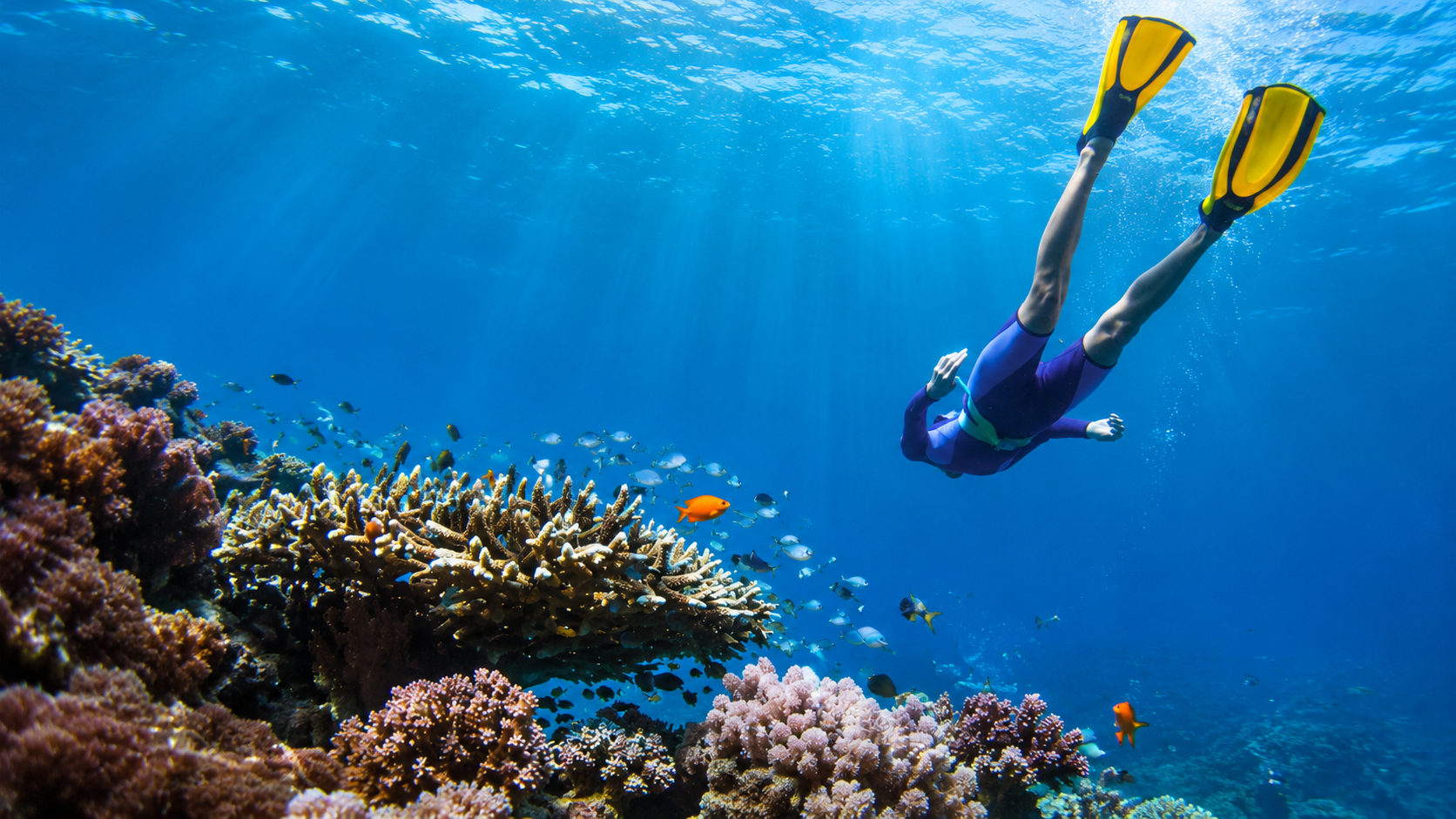
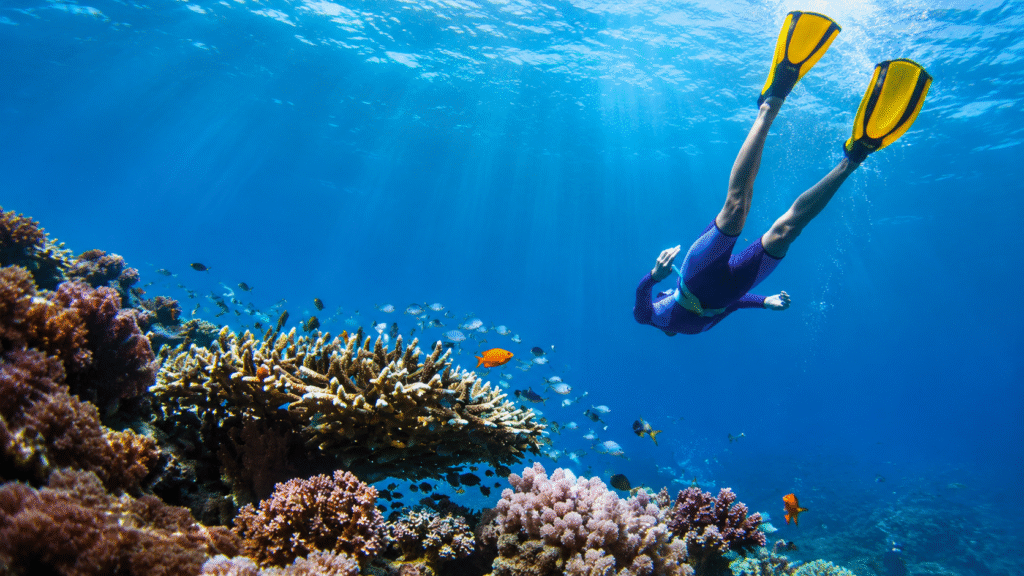
Pasikuda is famous for its shallow bay, but beneath and beyond its calm-looking water is an important marine ecosystem. Pasikuda Coral Reef includes coral communities, reef fish, seagrass and a shallow reef lagoon that helps shape the character of this part of Sri Lanka’s east coast.
The reef has also experienced coral bleaching and other environmental pressures over the years. For travellers, understanding both sides of the story makes a visit to Pasikuda more meaningful.
Where Is Pasikuda Coral Reef?
Pasikuda lies on Sri Lanka’s eastern coast in the Batticaloa District, around 28 kilometres north of Batticaloa town.
The reef system extends through the Pasikuda and Kalkudah coastal area. Pasikuda Bay contains a shallow fringing coral reef towards the outer bay, with scattered coral communities occurring within the bay itself.
The underwater landscape includes a shallow reef crest, an inner reef lagoon and an outer reef slope.
How Shallow Is the Reef Lagoon?
One of the most distinctive features of Pasikuda Coral Reef is its shallow inner lagoon.
Sri Lanka’s National Wetland Directory records depths of approximately 0.5 to 2 metres within the inner reef lagoon. The outer reef slope extends farther seaward to depths of around 8 metres.
The lagoon contains a mixture of coral colonies, coral rock, algae and seagrass.
Read more about this unusual coastal feature in Pasikuda Shallow Sea: Why Is the Water So Shallow?.
What Types of Coral Are Found Here?
The reef is not made up of one type of coral.
Scientific descriptions of the area record branching, table-shaped, massive and encrusting coral forms.
Historically, some of the more substantial coral growth has occurred along the outer reef slope. Coral genera recorded around the reef include Acropora, Montipora and Porites.
What Marine Life Lives Around the Reef?
Fish recorded around Pasikuda include damselfish, surgeonfish, butterflyfish, parrotfish, wrasses and snappers.
Seagrass is also present within parts of the reef lagoon.
The area’s connection with the sea also extends into local culture. Kattumaram Sri Lanka: What Is This Traditional Fishing Craft? explores one of the traditional fishing practices associated with Sri Lanka’s eastern coastline.
Is the Coral Reef Healthy?
The answer is more complicated than simply yes or no.
Like many coral reefs in Sri Lanka and around the world, Pasikuda Coral Reef has experienced environmental stress.
Historical surveys documented areas of dead coral and algae within parts of the shallow lagoon. More recently, major bleaching affected Pasikuda during 2019 and 2020.
Surveys conducted in 2023 recorded live coral cover of about 33.8% at Pasikuda, indicating recovery in parts of the reef. However, reef condition varies between locations, and recovery does not mean the ecosystem is free from threats.
Can Travellers Snorkel Around Pasikuda?
Snorkelling opportunities may be available around Pasikuda, but conditions vary.
Visibility, waves, currents and safe access depend on weather and seasonal conditions. The shallowest water is not automatically the best place to see healthy living coral, as scientific surveys have found stronger coral growth in some outer reef areas.
Rather than walking across reef areas independently, use a responsible local operator familiar with current conditions and appropriate snorkelling locations.
When Is the Best Time to Explore the Coast?
Sri Lanka’s east coast generally experiences more favourable beach conditions during the drier part of the year, while the northeast monsoon brings rougher weather and heavier rainfall.
Travellers deciding between neighbouring beaches can also read Pasikuda vs Kalkudah: Which Beach Should You Choose?.
Why Does Pasikuda Coral Reef Matter?
Coral reefs do much more than create interesting places to snorkel.
They provide habitat and feeding areas for marine species, contribute to fisheries and can help reduce wave energy reaching the coastline.
They are also environmentally sensitive.
Conclusion
Pasikuda Coral Reef is an important part of the natural landscape that makes Sri Lanka’s east coast distinctive.
Its shallow lagoon contains coral communities, seagrass and reef fish, while the outer reef supports additional coral growth. At the same time, bleaching, pollution and other pressures show why the ecosystem needs careful protection.